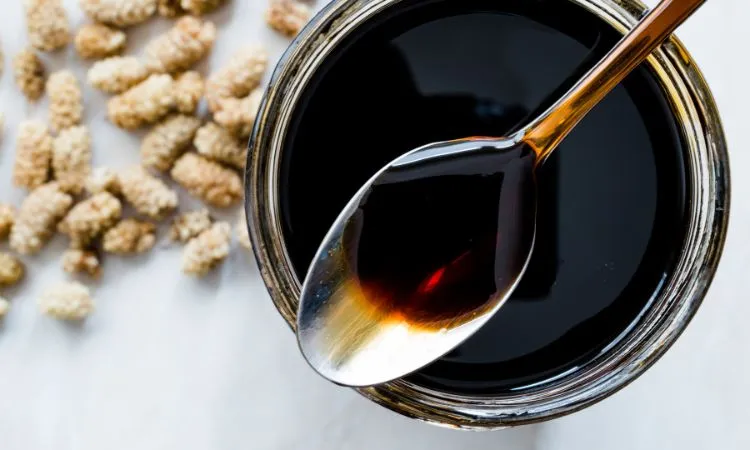
Blackstrap molasses, a byproduct of sugar production, has gained prominence across various industries due to its rich nutritional profile and versatile applications. The global blackstrap molasses market size reached a value of approximately USD 11.25 billion in 2023. The market is projected to grow at a CAGR of 2.8% between 2024 and 2032, reaching a value of around USD 14.45 billion by 2032. This growth is driven by increasing demand in sectors such as food and beverages, pharmaceuticals, and animal feed, as well as the rising popularity of natural sweeteners and health supplements. This blog post delves into the detailed segmentation, regional analysis, market dynamics, and competitive landscape of the global blackstrap molasses market, providing a comprehensive outlook for the period 2024-2032.
Market Segmentation
By Form:
Blackstrap molasses is available in two primary forms: liquid and powder.
- Liquid: The liquid form of blackstrap molasses is widely used in baking, cooking, and as a natural sweetener in beverages. Its rich, robust flavor makes it a preferred ingredient in traditional recipes and health foods. The demand for liquid blackstrap molasses is expected to remain steady, driven by its popularity in the food and beverage industry, particularly in North America and Europe.
- Powder: The powdered form, although less common, is gaining traction in the market due to its convenience and extended shelf life. It is particularly favored in industrial applications such as animal feed and pharmaceuticals, where it can be easily mixed with other ingredients. The growth of the powdered blackstrap molasses market is likely to be driven by its increasing use in health supplements and nutraceuticals.
By Application:
Blackstrap molasses finds applications across various industries, each contributing to the market’s growth.
- Industrial Fermentation: Blackstrap molasses is a key raw material in the production of ethanol, a critical component in biofuels. The industrial fermentation segment is expected to witness significant growth as the demand for sustainable energy sources continues to rise globally.
- Food and Beverages: In the food and beverage industry, blackstrap molasses is used as a natural sweetener and flavoring agent. It is particularly popular in the production of baked goods, confectionery, and beverages. The trend towards clean-label and natural ingredients is expected to fuel demand in this segment.
- Pharmaceutical: The pharmaceutical industry utilizes blackstrap molasses in the production of health supplements, particularly those rich in iron and other essential minerals. The segment is expected to grow as consumers increasingly turn to natural products for their health needs.
- Animal Feed: Blackstrap molasses is a valuable ingredient in animal feed, providing a rich source of energy and essential nutrients for livestock. The growing demand for high-quality animal feed, particularly in developing regions, is expected to drive growth in this segment.
- Others: Other applications of blackstrap molasses include its use in the production of bio-based chemicals and as a feedstock in various industrial processes. These niche applications, while smaller in scale, contribute to the overall growth of the market.
By Distribution Channel:
The distribution of blackstrap molasses occurs through both offline and online channels.
- Offline: Traditional retail and wholesale channels continue to dominate the market, particularly in regions where digital penetration is low. The offline segment includes supermarkets, specialty stores, and direct sales, which are expected to maintain a strong presence in the market.
- Online: The online segment is witnessing rapid growth, driven by the increasing popularity of e-commerce and the convenience it offers to consumers. Online platforms provide easy access to a wide range of products, making them an attractive option for both individual consumers and businesses. The online distribution channel is expected to see significant growth, particularly in developed markets.
Regional Analysis
The global blackstrap molasses market is geographically diverse, with key regions contributing to its growth.
- North America: The North American market is a significant player in the global blackstrap molasses market, driven by high demand in the food and beverage industry. The United States, in particular, is a major consumer, with a growing trend towards natural sweeteners and health foods.
- Europe: Europe is another key market, with countries like Germany, France, and the United Kingdom leading in consumption. The region’s strong focus on sustainability and natural products is expected to drive demand for blackstrap molasses in various applications.
- Asia-Pacific: The Asia-Pacific region is emerging as a lucrative market for blackstrap molasses, particularly in countries like China and India, where the demand for animal feed and biofuels is on the rise. The region’s growing population and increasing industrialization are key factors driving market growth.
- Latin America: Latin America plays a crucial role in the global supply of blackstrap molasses, with countries like Brazil being major producers. The region’s contribution to the global market is expected to grow, driven by increasing demand in both domestic and international markets.
- Middle East & Africa: The Middle East and Africa are relatively smaller markets for blackstrap molasses, but they offer significant growth potential. The increasing adoption of natural products and the expansion of the food and beverage industry in these regions are expected to drive demand.
Market Dynamics
SWOT Analysis:
- Strengths: The primary strength of the blackstrap molasses market lies in its wide range of applications across various industries. Its natural composition and health benefits make it a preferred choice among consumers and manufacturers alike.
- Weaknesses: One of the challenges faced by the market is the fluctuating prices of raw materials, which can impact production costs and profitability. Additionally, the market’s growth is somewhat limited by the availability of alternative sweeteners and feedstocks.
- Opportunities: The growing trend towards natural and organic products presents significant opportunities for the blackstrap molasses market. Additionally, the increasing demand for biofuels and sustainable energy sources is expected to drive growth in the industrial fermentation segment.
- Threats: The market faces threats from the availability of synthetic alternatives and the volatility of global trade policies, which can impact the supply chain and market stability.
Porter’s Five Forces Analysis:
- Competitive Rivalry: The market is characterized by moderate to high competition, with several key players vying for market share. Innovation and product differentiation are crucial for maintaining a competitive edge.
- Bargaining Power of Suppliers: The bargaining power of suppliers is relatively low, as there are multiple sources of raw materials available globally. However, fluctuations in raw material prices can impact supplier dynamics.
- Bargaining Power of Buyers: Buyers in the blackstrap molasses market have moderate bargaining power, as they can choose between various suppliers and products. The growing demand for natural products, however, strengthens the position of producers.
- Threat of New Entrants: The threat of new entrants is moderate, as the market requires significant investment in production facilities and distribution networks. However, the growing demand for natural sweeteners may attract new players.
- Threat of Substitutes: The threat of substitutes is high, with several alternative sweeteners and feedstocks available in the market. However, the unique properties and health benefits of blackstrap molasses help mitigate this threat.
Competitive Landscape
The global blackstrap molasses market is highly competitive, with several key players dominating the market. These companies focus on product innovation, strategic partnerships, and mergers and acquisitions to strengthen their market position. Recent developments include the introduction of organic and non-GMO blackstrap molasses, which cater to the growing demand for natural products.
Market Forecast (2024-2032)
The global blackstrap molasses market is expected to witness steady growth over the forecast period, with a CAGR of 2.8%. The market’s growth will be driven by increasing demand in the food and beverage, pharmaceutical, and animal feed industries. Additionally, the rising trend towards natural and organic products will further boost market demand. By 2032, the market is projected to reach a value of approximately USD 14.45 billion.
Read More: